Tuesday, February 5, 2013

feeding for a week old betta fish fry's


1.At this stage infusoria ,dafnia ,microworms are widely used for feeding.
2.after few days vinegar eels ,brine shrimps are used
3.grindalworms (white worms)are for the later stages of growth.

Things required if you have a betta fish as a pet

1. Aquarium heater is required,if your have a fluctuating temperature.(non tropical countries)
2.* power head & filter is required,to circulate water in the tank.
   * sponge filter can also be used
3..some aquarium plants.
4.some pebbles for maintaining the temperature.
5.adding decorative is not an issue,as long as there are not sharp.
6.tank mates like mollies,shrimps,tetras can be added. guppies is not a good idea.
7. aerator is optional.
8. lid is required if your betta jumps often.

* power head and filter


*25 watts aquarium heater


 *sponge filter


 *pebbles
 *aquarium plants

Monday, February 4, 2013

white king crown in a planted tank

betta fish tank setup
white king crown swims freely in a 1.5 feet tank

fish tank

betta fish in a planted aquarium


betta fish with molly's as tank mates.

Treating fish louse in betta fish

 FISH LOUSE:

SCIENTIFIC NAME: Argulus sp.

COMMON NAME(S): Fish louse

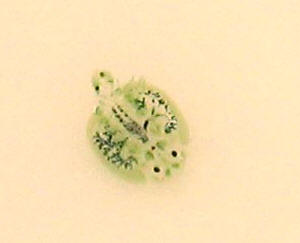
SYMPTOMS: The flat, somewhat rounded parasites can be seen crawling over the skin of the infected fish.

ORGANISM: Parasitic crustacea

RECOMMENDED TREATMENT: Dylox at a dose of .75 ppm. This dose is repeated three times, three days apart.

OTHER TREATMENT ALTERNATIVE: copper sulphate @ .20 ppm until parasites have gone.

ON USING COPPER: For several diseases listed , copper is mentioned as the treatment of choice (TOC) or as an alternate treatment. When speaking of copper, I am referring to citrated copper (ex: Sea Cure). At NO time should you be using heavily bonded or chelated coppers, as they are NOT as effective against the disease, and you can not measure the amount of copper in your system. Heavily bonded coppers are also much more difficult to remove from your system once the treatment is finished. In order for copper to be effective against a given disease, it must be in the ionic form, and heavily bonded coppers do not meet this parameter. The use of copper also suppresses the immune system for a time, so be aware of any bacterial infections that may set in. Feeding Tetra medicated food for bacterial problems is a good idea during copper treatment. Be careful when dosing copper in freshwater aquaria as the low pH levels usually found in freshwater aquaria make the copper extreamly toxic. Once treatment is finished, remove the copper from th!
e system by doing water changes and adding PolyFilters to the filter system. If you are treating in a hospital tank, allow the fish to recouperate from the treatment for two days before adding it to your display tank. Also remember to remove any chemical filtrants before using ANY medication. All treatments herein assume that the fishes will be treated in a hospital tank. Certain medications (antibiotics, methylene blue) will disrupt biological filtration. If you must treat in your display tank, keep a close watch out for a rise in ammonia.

ON METHYLENE BLUE: Some of the treatments require the addition of 2 ppm methylene blue. This is done in cases where gill damage may be present, as methylene blue acts as an oxygen carrier, easing the stress on the fish.